
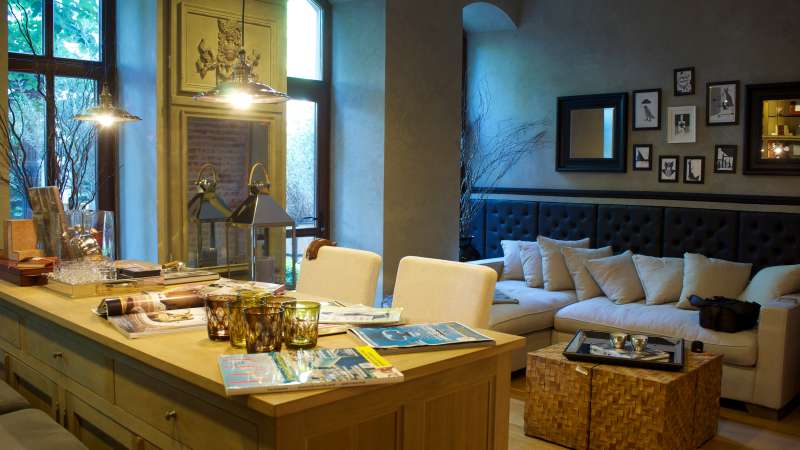
Lighting plays an essential role in creating a comfortable, stylish, and welcoming home. The right lighting can make a small room feel spacious, highlight beautiful furniture, improve everyday activities, and transform ordinary spaces into attractive interiors. Whether you are redesigning your living room, updating your bedroom, or improving your garden, thoughtful illumination can make a noticeable difference.
Decoradhouse lumination ideas focus on combining practical lighting with decorative elements to improve the appearance and functionality of every area of your home. From elegant ceiling chandeliers to warm bedside lamps and subtle outdoor lights, you can create a balanced atmosphere without completely renovating your property.
Moreover, effective lighting design does not always require an expensive budget. You can achieve impressive results by selecting suitable bulbs, placing lamps strategically, using natural light, and choosing fixtures that complement your interior style.
In this complete guide, you will discover practical indoor and outdoor lighting techniques, room-specific recommendations, energy-saving solutions, and helpful tips for creating a beautiful home environment.
1. Understand the Three Main Types of Lighting
Before choosing decorative fixtures, learn how different types of lighting work together. Professional lighting design commonly combines ambient, task, and accent lighting to create balanced and functional spaces.
Ambient Lighting for Overall Brightness
Ambient lighting provides the general illumination that helps you move comfortably around a room. It creates the foundation for your lighting arrangement.
Common ambient lighting options include:
- Ceiling-mounted lights
- Recessed LED fixtures
- Pendant lights
- Chandeliers
- Large ceiling lamps
For example, a ceiling fixture can illuminate your living room, while recessed lights can provide even brightness throughout a modern kitchen.
However, avoid relying entirely on one powerful ceiling light. A single fixture may create harsh shadows and leave certain corners dark. Instead, combine ambient lighting with additional light sources to create a more balanced result.
Task Lighting for Everyday Activities
Task lighting helps you perform specific activities that require better visibility. You can use it for reading, cooking, studying, working, sewing, and applying makeup.
Consider these practical options:
- Desk lamps for home offices
- Under-cabinet lights for kitchen counters
- Adjustable reading lamps beside sofas
- Vanity lights around bathroom mirrors
- Bedside lamps for nighttime reading
Position task lights carefully to reduce glare and unwanted shadows. For instance, place a reading lamp where it illuminates your book without shining directly into your eyes.
Accent Lighting for Decorative Details
Accent lighting draws attention to specific features inside your home. It can highlight artwork, architectural details, decorative shelves, plants, and textured walls.
Popular accent lighting choices include wall sconces, picture lights, LED strips, and adjustable spotlights.
For example, install a spotlight above a painting or place subtle lighting inside an open bookshelf. These simple additions can make your interior feel more sophisticated.
2. Create a Layered Indoor Lighting Plan
Layered lighting combines different light sources at different heights to create depth and flexibility. Instead of depending on one ceiling fixture, distribute light throughout the room.
Combine Lights at Different Heights
Use ceiling lights, table lamps, wall fixtures, and floor lamps to illuminate different parts of a room.
A practical arrangement might include a ceiling pendant for general brightness, a table lamp near a sofa, and a floor lamp beside a reading chair.
This approach helps eliminate dark corners while creating a visually balanced interior.
Choose Organic Materials
Natural materials can add texture and warmth to your lighting design. Bamboo, woven rattan, seagrass, wood, and clear glass work particularly well in relaxed, contemporary, and nature-inspired interiors.
For example, a woven pendant can complement wooden furniture, while a glass table lamp can create a lighter appearance in a small room.
Choose fixtures that suit your existing furniture, wall colors, and overall decorative style. You do not need to match every material exactly; instead, repeat a few complementary finishes throughout the room.
Use Lamps for a Relaxing Evening Atmosphere
Bright overhead lighting may work well during cleaning, cooking, and other daytime activities. However, you may prefer softer lighting when relaxing in the evening.
Turn off unnecessary overhead fixtures and use table lamps, floor lamps, or dimmable wall lights instead.
This arrangement creates a more intimate atmosphere for reading, watching television, or spending time with family.
3. Living Room Lighting Ideas
The living room often serves several purposes. Families use it to relax, entertain guests, read, watch television, and enjoy conversations. Therefore, its lighting should support different activities.
Add a Statement Chandelier
A chandelier can become the central decorative feature of a living room. Choose a design that complements your interior, whether you prefer a modern geometric fixture, a traditional chandelier, or a simple contemporary pendant.
Before purchasing one, consider the room’s dimensions, ceiling height, and furniture arrangement. A fixture that is too large can overwhelm a compact room, while an undersized fixture may look disconnected from the rest of the space.
Introduce a Decorative Floor Lamp
Place a floor lamp beside a sofa, reading chair, or side table. This addition creates a useful secondary light source and fills an empty corner.
Adjustable floor lamps work particularly well when you need focused light for reading. Alternatively, a lamp with a fabric shade can produce a softer glow for relaxing.
Highlight Walls and Artwork
Use wall sconces or adjustable spotlights to emphasize decorative walls, artwork, or architectural features.
Up-and-down wall lights can create attractive patterns on suitable wall surfaces. Nevertheless, choose their position carefully to prevent excessive glare and uneven illumination.
4. Dining Room Lighting for a Welcoming Atmosphere
The dining area benefits from lighting that makes meals comfortable while emphasizing the dining table.
Hang a Pendant or Chandelier Above the Table
A pendant light or chandelier can establish a clear focal point above the dining table. Brass, copper, glass, and matte metal finishes can complement different interior styles.
Choose a fixture that fits the table’s size and leaves enough clearance for people to sit and stand comfortably. Follow the manufacturer’s installation guidance and use a qualified electrician when necessary.
Select Warm-White Bulbs
Warm-white lighting can make a dining area feel relaxed and inviting. It also works well with wooden furniture, neutral walls, and natural decorative materials.
A dimmer can provide flexibility by allowing brighter illumination during meals and softer lighting during evening gatherings.
Avoid Excessive Glare
Bare bulbs and poorly positioned fixtures can create uncomfortable glare. Use suitable shades or diffusers to soften the light and improve visual comfort.
Additionally, make sure the table receives sufficient illumination without creating distracting reflections on glossy surfaces.
5. Bedroom Lighting for Comfort and Convenience
A bedroom should feel peaceful and functional. Your lighting arrangement should support reading, dressing, relaxing, and moving safely around the room at night.
Use Matching or Complementary Bedside Lamps
Place a lamp on each bedside table when space allows. Matching lamps create a symmetrical appearance, while complementary designs offer a more relaxed, personalized style.
Choose shades that distribute light comfortably and bulbs that provide enough brightness for reading.
Install Wall Sconces to Save Space
Wall-mounted reading lights can free up bedside table space. Adjustable sconces allow you to direct light toward your book without illuminating the entire bedroom.
They work especially well in small bedrooms, compact guest rooms, and modern interiors.
Add Soft Decorative Lighting
A small decorative lamp can create a gentle nighttime glow. Moon-shaped lamps, frosted glass fixtures, and fabric-shaded lights can introduce personality without overwhelming the room.
However, keep decorative lighting subtle if you prefer a darker sleeping environment. Use switches that are easy to reach and avoid exposed cords that could create tripping hazards.
6. Kitchen Lighting for Safety and Functionality
The kitchen requires clear, practical illumination because people use sharp utensils, prepare food, and handle hot cookware.
Install Under-Cabinet Lighting
Under-cabinet LED lights illuminate worktops and reduce shadows created by overhead cabinets. They make chopping ingredients, reading recipes, and cleaning counters easier.
Choose fixtures designed for kitchen environments and position them to minimize reflections on glossy surfaces.
Illuminate the Kitchen Island
Pendant lights above a kitchen island can provide focused illumination while adding decorative interest.
For a balanced look, select fixtures that suit the island’s dimensions and distribute them evenly. Make sure the installation does not obstruct sightlines or interfere with everyday activities.
Choose Easy-to-Clean Fixtures
Kitchen lights can collect grease and dust over time. Select fixtures with accessible surfaces and follow the manufacturer’s cleaning instructions.
Also, ensure that any fixture installed near a sink or cooking area is suitable for the environmental conditions in that location.
7. Bathroom Lighting for Clear Visibility
Bathroom lighting should balance appearance, comfort, and safety.
Improve Mirror Lighting
Install suitable lights beside or above the bathroom mirror to reduce harsh facial shadows. Well-positioned fixtures can improve visibility for shaving, skincare, and applying makeup.
Choose lighting with a suitable color-rendering quality so that colors appear reasonably natural.
Use Appropriate Bathroom Fixtures
Bathrooms contain moisture, so ordinary fixtures may not be suitable for every location. Select lights with the appropriate damp or wet-location rating based on their position and local electrical requirements.
Always consult a qualified electrician for electrical work in bathrooms. Proper installation and protection are essential for safety.
Create a Relaxing Atmosphere
If your bathroom design allows it, use dimmable ambient lighting or indirect illumination to create a softer atmosphere. Combine this with sufficient task lighting around the mirror.
The result can feel both practical and spa-inspired without sacrificing visibility.
8. Hallway and Staircase Illumination
Hallways and staircases connect different parts of your home, but people often overlook their lighting needs.
Install Wall Sconces
Wall sconces can illuminate narrow hallways without occupying valuable floor space. Choose fixtures that distribute light evenly and complement your wall finishes.
Moroccan-inspired pierced lamps can create decorative geometric patterns. They work particularly well when you want your lighting to become a feature rather than simply a source of brightness.
Improve Staircase Visibility
Provide consistent lighting across stair treads and landings. Recessed wall lights, ceiling fixtures, or carefully positioned sconces can help people identify steps more easily.
Avoid strong shadows, glare, and dark patches. If possible, use switches at convenient locations or suitable motion-activated lighting to make nighttime movement safer.
9. Outdoor Illumination for Gardens and Entryways
Outdoor lighting improves the appearance of your property and can make entrances, paths, and seating areas easier to use after sunset.
Frame the Front Door
Install suitable exterior wall lights on either side of the entrance when the layout allows. This arrangement creates visual balance and provides practical illumination for visitors.
Choose weather-resistant fixtures designed for outdoor use. Ensure that the brightness suits the size of the entrance and does not unnecessarily shine into neighboring properties.
Illuminate Garden Pathways
Low-level pathway lights can help people identify walking routes through gardens and yards. Solar-powered lights may offer a convenient option where sufficient sunlight reaches the panels.
Position fixtures to illuminate the path without creating glare. Keep walkways clear of cords, overgrown plants, and other tripping hazards.
Highlight Trees and Landscaping
Subtle uplights can emphasize trees, shrubs, textured stonework, and garden features. Position them carefully to create depth without making the garden look excessively bright.
For outdoor seating areas, combine general illumination with softer decorative lights. Weather-rated wall lights and appropriately installed string lights can help create an inviting atmosphere.
10. Choose the Right Bulb Color and Brightness
The appearance of a room depends partly on the color temperature and brightness of its bulbs.
Warm-White Lighting
Warm-white bulbs generally create a cozy atmosphere. They often work well in living rooms, bedrooms, and dining areas.
Neutral-White Lighting
Neutral-white lighting can provide a balanced appearance in kitchens, bathrooms, and multipurpose spaces where people need good visibility.
Cooler Lighting
Cooler-white lighting can suit certain task-focused areas, such as workshops or utility spaces. However, it may feel less relaxing in rooms designed primarily for rest.
Rather than choosing bulbs by color alone, consider brightness, color rendering, glare, and the room’s intended use.
11. Save Energy With Smart Lighting Choices
You can improve your lighting design while managing electricity costs.
Use LED bulbs: LEDs generally consume less electricity than traditional incandescent bulbs for comparable light output and typically last longer.
Install dimmers where compatible: Dimming suitable lights allows you to adjust brightness according to the activity and may reduce energy consumption.
Use timers and motion sensors: These devices can switch lights off automatically when they are no longer needed. Choose settings that suit your household and safety requirements.
Make use of daylight: Keep windows clean, avoid unnecessarily blocking natural light, and use mirrors strategically to help distribute daylight.
Switch off unnecessary lights: Turn off lights in unoccupied rooms when automatic controls are not already managing them.
For smart bulbs, dimmers, and lighting controls, verify compatibility before purchasing or installing equipment.
12. Common Lighting Mistakes to Avoid
Even attractive fixtures may produce disappointing results when you place them incorrectly. Avoid these common mistakes:
- Relying on one ceiling light: Add task and accent lighting to improve flexibility.
- Ignoring dark corners: Use floor lamps, wall sconces, or appropriately placed recessed fixtures.
- Choosing the wrong fixture size: Match the scale of the light to the room and furniture.
- Using inconsistent bulb colors: Coordinate color temperatures within connected spaces for a more harmonious appearance.
- Creating excessive glare: Choose suitable shades, diffusers, and fixture positions.
- Ignoring outdoor ratings: Use weather-appropriate products for exterior locations.
- Attempting unsafe electrical work: Hire a qualified electrician for installations that require professional expertise.
By avoiding these mistakes, you can create lighting that looks attractive and serves your household’s needs.
13. Practical Tips for Planning Your Lighting Budget
You do not have to replace every fixture at once. Instead, identify the areas where improved illumination would make the greatest difference.
Start by listing your main priorities. For example, you might need brighter kitchen worktops, better bedside reading lights, or improved pathway visibility.
Next, compare fixture prices, energy requirements, installation costs, and maintenance needs. Keep some of your existing lights if they still work well and suit the room.
You can also improve a space by changing lampshades, replacing unsuitable bulbs, rearranging existing lamps, or installing compatible dimmers.
Before purchasing new equipment, measure the room and check the fixture dimensions. A simple plan can prevent unnecessary spending and help you achieve a consistent look.
Conclusion
Thoughtful lighting can transform your home by improving comfort, functionality, safety, and visual appeal. By combining ambient, task, and accent lighting, you can create spaces that adapt to different activities throughout the day.
These decoradhouse lumination ideas offer practical ways to enhance living rooms, bedrooms, kitchens, bathrooms, dining areas, hallways, gardens, and exterior entrances. You can start with simple improvements, such as adding a floor lamp, choosing warmer bulbs, illuminating kitchen worktops, or installing suitable pathway lights.
Furthermore, energy-efficient LEDs, compatible dimmers, and carefully positioned fixtures can help you balance style with everyday practicality.
Ultimately, the best lighting plan reflects your lifestyle, budget, property layout, and personal taste. Plan each area carefully, prioritize safety, and combine decorative details with useful illumination to create a home that feels welcoming in every season.
Frequently Asked Questions (FAQs)
1. What are the three main types of home lighting?
The three main types are ambient lighting for general brightness, task lighting for specific activities, and accent lighting for highlighting decorative features.
2. How can I make my living room lighting look better?
Combine a ceiling fixture with table lamps, floor lamps, or wall sconces. Use suitable warm-white bulbs and consider dimmers to adjust the atmosphere.
3. Which lighting is best for bedrooms?
Warm-white lighting often creates a relaxing bedroom atmosphere. Bedside lamps, adjustable wall sconces, and dimmable fixtures provide flexibility for reading and winding down.
4. How can I improve outdoor lighting?
Use weather-rated entrance lights, low-level pathway fixtures, and subtle landscape lighting. Position them to improve visibility while minimizing glare and unnecessary light spill.
5. Are LED lights a good choice for home illumination?
Yes. LED lights generally use less electricity than traditional incandescent bulbs and offer a long service life. Choose the appropriate brightness, color temperature, and fixture compatibility for each room.
6. How do I choose the right lighting for a small room?
Use a combination of compact ceiling fixtures, wall lights, and strategically placed lamps. Avoid oversized fixtures that overwhelm the room, and make good use of daylight.
7. Can lighting improve home décor without a major renovation?
Absolutely. Replacing bulbs, adding decorative lamps, highlighting artwork, and improving under-cabinet or pathway lighting can refresh your home without a complete renovation.
8. How can I make my home lighting more energy-efficient?
Choose efficient LED bulbs, switch off unnecessary lights, use daylight where possible, and consider compatible dimmers, timers, or motion sensors.
For more info visit DecortipsDecoradHouse